
Diagnostic endoscopy
Colonoscopy in Delhi
Screening, rectal bleeding, altered bowel habit and polyp removal
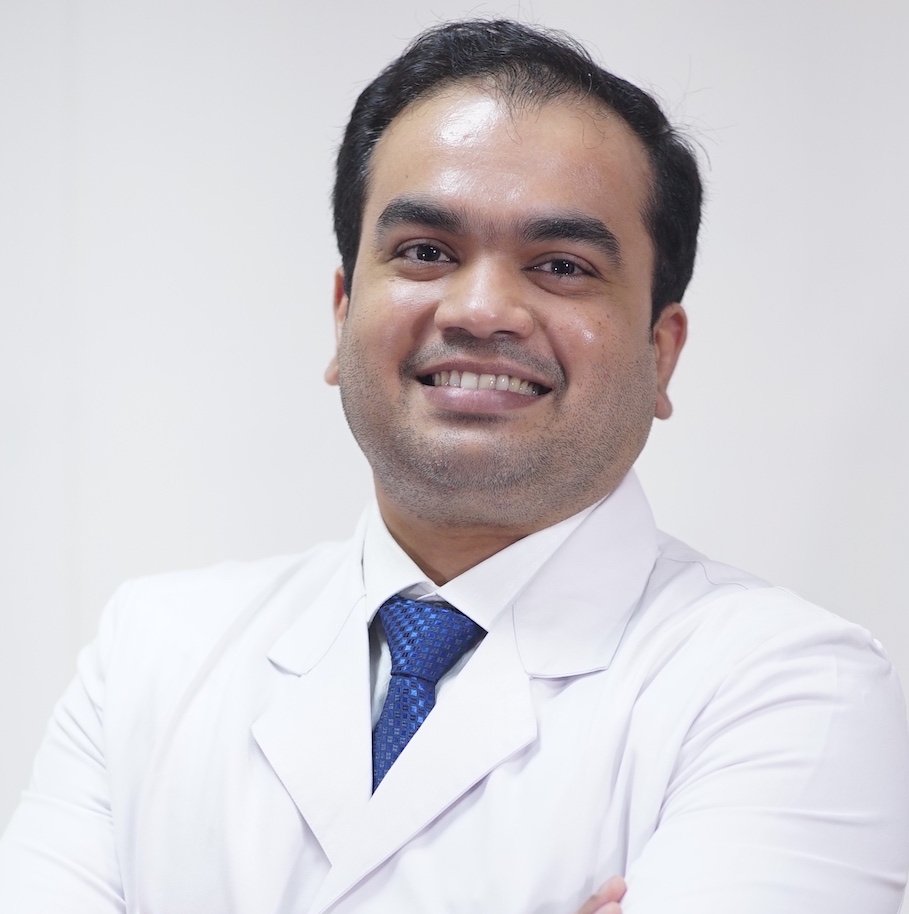
Dr Surakshith T K performs colonoscopy in Delhi for rectal bleeding, change in bowel habit, anaemia and colorectal cancer screening, with polyps removed at the same sitting. Larger and flat lesions are removed by EMR or ESD rather than referred on for surgery.
What is a colonoscopy?
A colonoscopy is an examination of the entire large intestine with a thin flexible camera passed through the back passage. It is done under sedation and takes twenty to forty minutes. Polyps found during the test are removed in the same sitting, which is what makes colonoscopy a preventive procedure and not only a diagnostic one: removing a polyp removes the lesion that would have become a cancer years later.
When it is needed
When a colonoscopy is advised
Some of these are symptoms; one of them is screening in people with no symptoms at all.
Colonoscopy is also where advanced endoscopic resection techniques are applied: a large flat lesion that another centre has called inoperable by endoscopy can often be removed by EMR or ESD in a single session.
The procedure
What happens on the day
- Bowel preparation — a laxative solution taken the evening before and early on the morning of the test
- Diet — a low-residue diet for a day or two beforehand, clear fluids on the day
- Medication — blood thinners and diabetes medication adjusted beforehand on advice
- Sedation — given through a vein; you will sleep through the procedure
- The test — twenty to forty minutes, with polyps removed as they are found
- Afterwards — an hour of observation, then home; you will need someone to accompany you
The preparation decides the result
A colonoscopy is only as good as the bowel preparation. A poorly prepared colon hides small flat polyps, which are exactly the ones worth finding, and usually means repeating the test.
Take the whole preparation as instructed, including the second dose on the morning of the procedure, even when it feels unnecessary. The split dose is not optional; it is what clears the right side of the colon.
If a polyp is found and removed, the pathology decides when the next colonoscopy is due. That interval is part of the treatment and should not be left to memory.
Related
Related procedures
Book a colonoscopy in South Delhi
Screening or symptom-led colonoscopy under sedation, with written preparation instructions given at the time of booking. Bring any previous colonoscopy and biopsy reports.
- +91 96861 37977
- Kalka Gastro Liver & Obesity Clinic10/22 Nehru Enclave East, Kalkaji, New Delhi 110019
- Mon–Sat, 5:00 pm – 8:30 pmProcedures at Fortis Escorts (Okhla) & Holy Family (NFC)
FAQ
Frequently asked questions
Is a colonoscopy painful?
No. Colonoscopy is performed under sedation given through a vein, and patients sleep through the procedure. Some bloating for an hour or two afterwards is normal and settles by itself.
At what age should colonoscopy screening start?
For people at average risk, screening is generally advised from the age of 45. It should begin earlier, and be repeated more often, in anyone with a first-degree relative who has had colorectal cancer or polyps, or with a personal history of inflammatory bowel disease. Any rectal bleeding is a reason to have a colonoscopy regardless of age.
What happens if a polyp is found?
It is removed during the same procedure and sent for histopathology. Small polyps are snared; larger and flat lesions are removed by EMR or ESD. The pathology report then determines when your next colonoscopy is due, usually between one and five years later.
How do I take the bowel preparation?
You will be given written instructions when you book. In general a low-residue diet is followed for a day or two, and the laxative solution is taken in two doses — the evening before and early on the morning of the test. Taking the second dose on the morning of the procedure is what makes the difference to the quality of the examination.
- MBBS · MD (Medicine) · DNB (Gastroenterology & Hepatology), Sir Ganga Ram Hospital
- Senior Consultant Gastroenterologist, Hepatologist & Therapeutic Endoscopist
- 250+ third-space procedures · 200+ POEM · 10,000+ ERCP · 5,000+ EUS
- Fortis Escorts Hospital, Okhla · Holy Family Hospital, New Delhi · Kalka Gastro Liver & Obesity Clinic, Kalkaji
- Delhi Medical Council reg. 74686
This page is for general information and does not replace an individual consultation. Whether a procedure is suitable depends on your own reports and examination. Last reviewed September 2026.